The Top Bio Ethanol Fireplace Gurus Do Three Things

Owner: Slemp
Group members: 1
Bio Ethanol Fireplaces
Ethanol fireplaces are ideal to add a warm feel to any space without the expense of structure work or gas supply. They are also the safest kind of fire you can find.
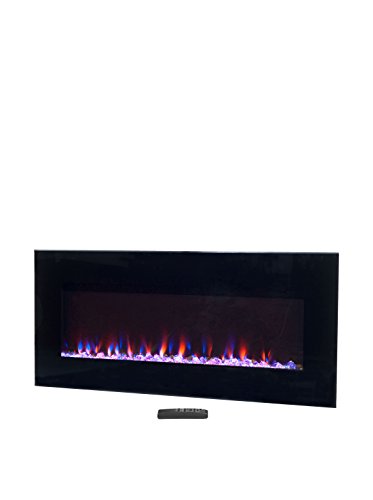 As long as you use bio-ethanol fuel that has been specifically formulated for your fire and you follow the safety guidelines, your fireplace should be safe to operate.
Installation is simple
Ethanol fireplaces are a simple and quick option for homeowners looking to transform their living area or to add a focal point to their home decor. You don't require chimneys and they won't produce dangerous smoke. The smoke won't build up on your ceilings or walls.
It doesn't matter if you choose the complete fire suite - for example, Mano Mano's Adam Solus Fireplace Suite in Oak with Colorado Bio Ethanol Fire in Black, from PS569 or an independent model that can be moved from room to room (such as the Planika Petit, PS191), installation is simple and requires no specialist help. All you need to do is make sure that your ceiling or wall is strong and follow the directions for the model you select.
The majority of ethanol fireplaces that are wall-mounted come with the necessary hardware to mount them like flat screen TVs or recess into the wall. You'll need to locate the studs and fit the brackets and extensions however it will not take more than one hour for a professional to do so.
There is also the option of manual or automated bioethanol burners. The automated burner keeps the fuel away from the flames so that it will burn for longer without the risk of overheating or running out of. A manual burner works similarly to a traditional fireplace, but you'll need to use matches or lighters to light the flames.
When selecting a burner for your bio-ethanol fireplace, it's worth remembering that the burner needs to be covered with non-combustible materials to ensure that nothing gets in contact with the burning fuel. If you don't cover the burner, the flame could get too hot and cause damage to the fireplace insert.
Ethanol fireplaces wooden are a great alternative for those who want to create a dramatic feature in their home, but don't have the budget or time to build a wood or gas fireplace. They're an excellent choice for new homes and renovations where chimney breasts have been removed. And, because they do not produce soot or ash, there's no issues with maintenance or worry about.
Designs and Ethanol Fireplaces styles
Bio ethanol fireplaces are available in a variety of styles and designs. Some bio ethanol fireplaces feature the traditional wood-burning appearance and others sport modern and sleek design. Regardless of the style they all offer the same benefits: real flames with no fumes or harmful gases.
Ethanol fires can be mounted to the wall or freestanding. Freestanding models can be moved around the room to suit your needs. Wall-mounted models are anchored to the walls and may require special mounting gear. They also have to meet certain clearance distances to avoid flammable materials.
The fire is created by a burner pan that is located on the bottom of the fireplace. Fuel is poured into the pan and the fire is lit with a long-lasting lighter. It takes around 15 minutes for the flames to reach their maximum potential. Once the flames have been established, it's time to relax, unwind and enjoy the warm ambience of your home.
Certain ethanol fireplaces come with adjustable heating settings. This lets you adjust the amount of heat your fireplace suites produces.
Another benefit of ethanol fires is that it is no need for a chimney or flue. This makes them a great alternative for new homes or older homes without traditional fireplaces or chimney breasts. Furthermore, a bio-ethanol fire place does not generate toxic gases or ash that could pose a risk for those with respiratory issues.
Bio ethanol fireplaces are also easy to install inside your home. While the exact installation time will depend on the model you select, most are installed in a short time. You can pick a portable freestanding fireplace that can be taken with you if ever you decide to move. This is an ideal option for living arrangements that are temporary. The ease of installation is a crucial factor for many consumers and it's something to consider when shopping for an upgrade to your fireplace.
No Flu
The most significant benefit of bioethanol over traditional wood or natural gas fires is that they do not require a chimney in order to function. This means that there is no risk of chimney fires that could be caused by a build-up of tar or a blockage in the flue.
A bio ethanol fireplace also doesn't create a lot of particles that can harm the air quality, which is a great thing for people who suffer from asthma or allergies. The fire does not produce smoke, which means it won't cause unpleasant odor in the room.
Bioethanol fireplaces produce lots of heat, compared to wood burning fires. This means that you can keep your furniture near the fire without having to worry about catching a flame, which could be dangerous for any valuables.
There are a variety of designs available for a bioethanol freestanding fireplace. You can opt for an elegant and contemporary look with a wall-mounted unit or opt for an recessed model that will fit in with the style of your space.
Another thing to consider is whether you'd prefer either a manual or automatic burner. A manual burner requires that you light the fuel directly from the reservoir. An automatic burner will automatically light your fire after the tank is completely empty.
When you've finished using your bioethanol fireplace it is important to let the flames completely burn out and wait until the fire has cooled before refueling. If you don't do this, the ethanol could evaporate and you'll have to start from scratch.
The majority of manufacturers recommend waiting at least 45 minutes prior to refilling your fire. This will allow you time to safely remove the flames, and to remove any flammable materials from the fire. To avoid accidents, store any spare ethanol fuel away from the reach of pets and children.
Ease of maintenance
Ethanol fireplaces work by pouring bio-ethanol fuel into the burner and lighting it. As the fuel burns, it creates an ember and heat that can be adjusted using a slider (not all designs have this feature). By changing the amount of oxygen fed to the fire, you can change the speed at which the fuel burns and also how high the flame burns.
As the fuel burns it releases a small amount of soot. However, this can be easily cleaned by wiping down the fireplace with a soft cloth. The only other requirement for maintenance is to ensure that the fireplace is filled with the correct fuel and making sure it's a safe distance away from any fire-prone objects or other equipment.
Bioethanol fireplaces are easy to install and you don't have to be concerned about chimneys or building codes. This gives you a lot of flexibility when designing your home and the location you wish to relax in the warmth of your fireplace. You can also choose a freestanding model that can be moved.
Wall-mounted bioethanol fireplaces can be simple to set up and ethanol fireplaces some models allow you to rotate the unit by 180 degrees, allowing you to direct the flame and heat towards the desired location of the room. You can even put a remote control onto some designs to take full control from the couch.
A majority of bioethanol fireplaces that are mounted on walls are fitted with brackets that allow them to be affixed to a flat ceiling or an inclined one. This lets you place the fireplace wherever you want it and still be capable of turning it on or off, adjust the flame height, and set the temperature using the remote control.
When you're not using your ethanol fireplace, be sure to turn it off and keep it away from any flammable objects or materials. Don't try to pour additional fuel inside the burner until it has cooled down to room temperature. Also, be careful when handling the burner as it will be very hot.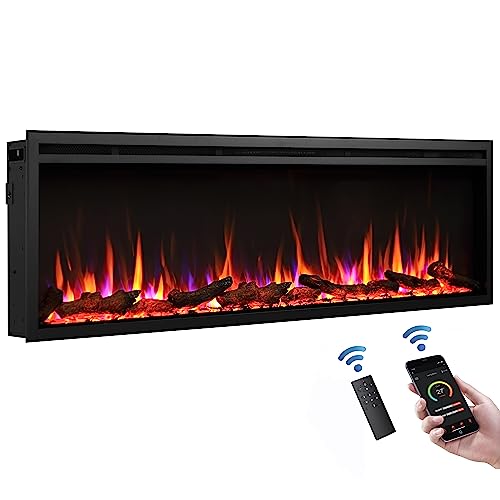
Group discussions
No discussions
Group activity
There is no group activity yet

